


Description: A complete list of the 99 Asmaul Husna along with their meanings and virtues that can guide us to become more devout servants of Allah.
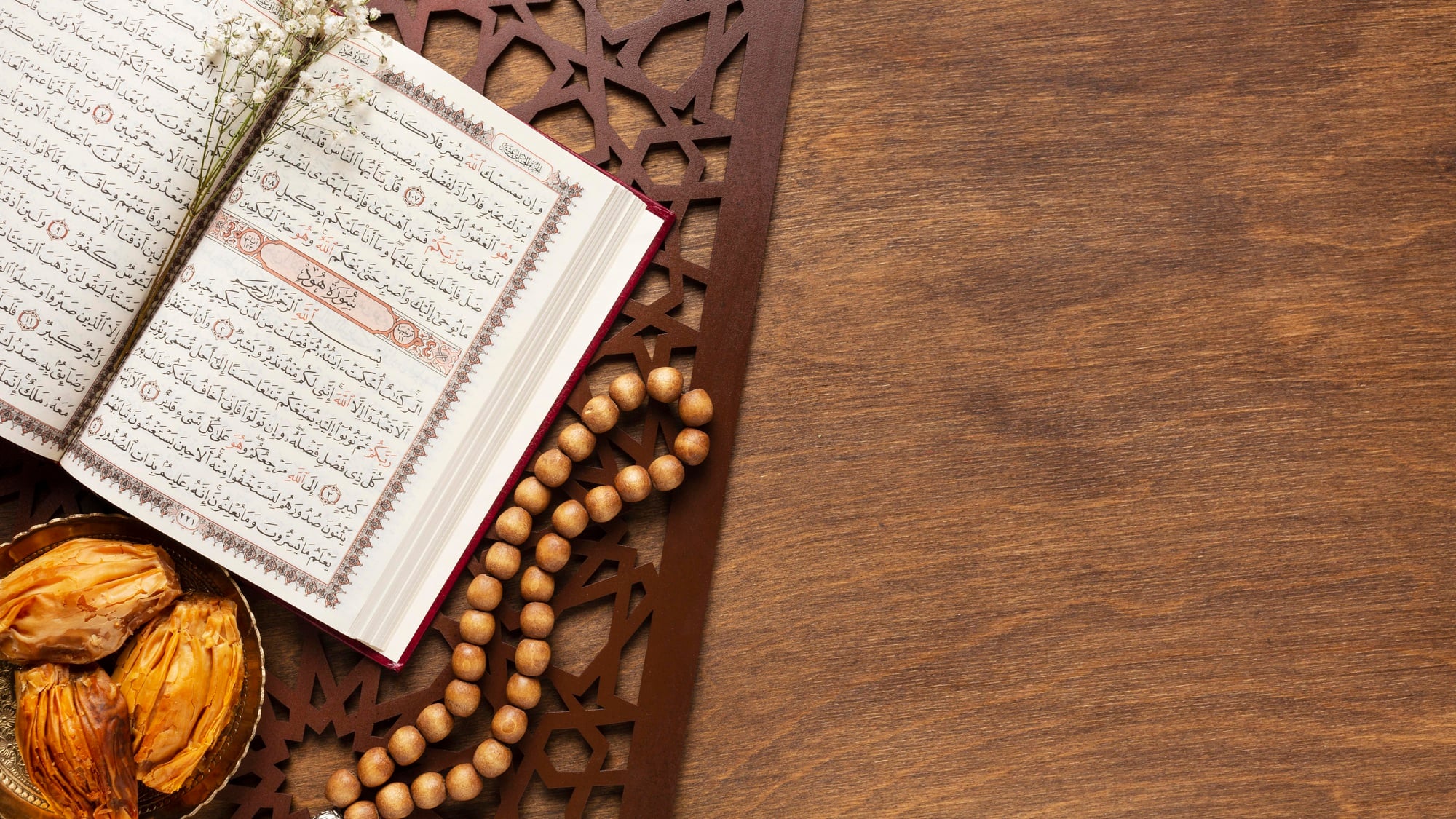
Cover image via Freepik
The Beauty of Asmaul Husna
In Islam, Allah SWT has 99 beautiful names, known as Asmaul Husna. Each of these names carries its own meaning and significance, reflecting His perfect attributes. Allah SWT mentions in the Quran:
“And to Allah belong the best names, so invoke Him by them. And leave [the company of] those who practice deviation concerning His names. They will be recompensed for what they have been doing.”
(Surah Al-A’raf: 180)
Reciting and understanding Asmaul Husna not only strengthens our faith but also serves as one of the most effective ways to supplicate.
The 99 Names of Allah (Asmaul Husna) and Their Meanings
Here are the 99 names of Allah along with their meanings:
- Ar-Rahman – The Most Gracious
- Ar-Rahim – The Most Merciful
- Al-Malik – The King and Owner of Dominion
- Al-Quddus – The Absolutely Pure
- As-Salam – The Source of Peace and Safety
- Al-Mu’min – The Guardian of Faith
- Al-Muhaimin – The Preserver of Safety
- Al-Aziz – The All-Mighty
- Al-Jabbar – The Compeller
- Al-Mutakabbir – The Supreme
- Al-Khaliq – The Creator, The Maker
- Al-Bari’ – The Evolver
- Al-Musawwir – The Flawless Shaper
- Al-Ghaffar – The Constant Forgiver
- Al-Qahhar – The All-Prevailing One
- Al-Wahhab – The Supreme Bestower
- Ar-Razzaq – The Provider
- Al-Fattah – The Supreme Solver
- Al-‘Alim – The All-Knowing
- Al-Qabidh – The Withholder
- Al-Basit – The Extender
- Al-Khafidh – The Reducer
- Ar-Rafi’ – The Exalter
- Al-Mu’izz – The Honourer
- Al-Mudhill – The Dishonourer
- As-Sami’ – The All-Hearing
- Al-Basir – The All-Seeing
- Al-Hakam – The Impartial Judge
- Al-‘Adl – The Utterly Just
- Al-Latif – The Subtle One
- Al-Khabir – The All-Aware
- Al-Halim – The Most Forbearing
- Al-‘Azim – The Magnificent
- Al-Ghafur – The Great Forgiver
- Ash-Shakur – The Most Appreciative
- Al-‘Aliyy – The Most High, The Exalted
- Al-Kabir – The Most Great
- Al-Hafiz – The Preserver
- Al-Muqit – The Sustainer
- Al-Hasib – The Reckoner
- Al-Jalil – The Majestic
- Al-Karim – The Most Generous, The Most Esteemed
- Ar-Raqib – The Watchful
- Al-Mujib – The Responsive One
- Al-Wasi’ – The All-Encompassing, the Boundless
- Al-Hakim – The All-Wise
- Al-Wadud – The Most Loving
- Al-Majid – The Glorious, the Most Honorable
- Al-Ba’ith – The Infuser of New Life
- Ash-Shahid – The All-and-Ever Witnessing
- Al-Haqq – The Absolute Truth
- Al-Wakil – The Trustee
- Al-Qawiyy – The All-Strong
- Al-Matin – The Firm One
- Al-Waliyy – The Sole-Governing
- Al-Hamid – The Praiseworthy
- Al-Muhsi – The All-Enumerating, The Counter.
- Al-Mubdi’ – The Originator, The Initiator.
- Al-Mu’id – The Restorer, The Reinstater.
- Al-Muhyi – The Giver of Life.
- Al-Mumit – The Creator of Death.
- Al-Hayy – The Ever-Living.
- Al-Qayyum – The Sustainer, The Self-Subsisting.
- Al-Wajid – The Perceiver, The Finder.
- Al-Majid – The Illustrious, The Magnificent.
- Al-Wahid – The One, The Unique.
- Al-Ahad – The Only One, The Indivisible.
- As-Samad – The Eternal, Satisfier of Needs.
- Al-Qadir – The Omnipotent, The Capable.
- Al-Muqtadir – The Powerful, The Determiner.
- Al-Muqaddim – The Expediter, The Promoter.
- Al-Mu’akhkhir – The Delayer, The Postponer.
- Al-Awwal – The First.
- Al-Akhir – The Last.
- Az-Zahir – The Manifest, The Outer.
- Al-Batin – The Hidden, The Inner.
- Al-Wali – The Sole Governor, The Protecting Associate.
- Al-Muta’ali – The Self Exalted.
- Al-Barr – The Source of All Goodness, The Benefactor.
- At-Tawwab – The Ever-Pardoning.
- Al-Muntaqim – The Avenger.
- Al-‘Afuww – The Pardoner.
- Ar-Ra’uf – The Most Kind.
- Maalik-ul-Mulk – Master of the Kingdom, Owner of Dominion.
- Dhul-Jalaali wal-Ikraam – Lord of Glory and Honour, Lord of Majesty and Generosity.
- Al-Muqsit – The Just One.
- Al-Jaami’ – The Gatherer, the Uniter.
- Al-Ghaniyy – The Self-Sufficient, The Wealthy.
- Al-Mughni – The Enricher.
- Al-Mani’ – The Withholder.
- Ad-Dhaarr – The Distresser.
- An-Nafi’ – The Propitious, the Benefactor.
- An-Nur – The Light.
- Al-Hadi – The Guide.
- Al-Badi’ – The Incomparable Originator.
- Al-Baqi – The Everlasting.
- Al-Warith – The Inheritor, The Heir.
- Ar-Rasheed – The Guide to the Right Path.
- As-Sabur – The Patient, The Timeless.
The Benefits of Asmaul Husna
Memorizing, understanding, and practicing the Asmaul Husna (The 99 Names of Allah) brings many benefits:
- Supplications Are More Likely to Be Answered
Praying using the Asmaul Husna is more likely to be heard by Allah SWT. For example, when seeking forgiveness, use the name Al-Ghaffar (The Most Forgiving):
“Ya Ghaffar, forgive my sins.”
- Brings Inner Peace
Reciting the name As-Salam (The Source of Peace) can help us feel calmer and ease our worries.
- Promised Paradise for Those Who Memorize Them
The Prophet Muhammad SAW said:
“Indeed, Allah has 99 names. Whoever memorizes them will enter Paradise.”
(Hadith narrated by Bukhari & Muslim)
- Strengthens Faith and Taqwa (God-Consciousness)
By understanding Allah’s attributes, we gain more confidence in His justice and decisions. For instance, when facing difficulties, we trust that Ar-Razzaq (The Provider) will surely open a path for us.
How to Practice Asmaul Husna in Daily Life
- Recite Asmaul Husna Daily – Make it a daily remembrance (zikir) after prayers.
- Use Them in Supplications – Include Asmaul Husna in your daily prayers.
- Teach Them to Children – Introduce the 99 names of Allah to kids from a young age.
- Display Them at Home – Write and post them around the house for easy reference and daily practice.
Conclusion
Reciting Asmaul Husna is a profound act of worship that nurtures the heart and soul. Regularly reflecting on these divine attributes fosters a stronger connection with Allah. Each Name serves as a reminder of His majesty, mercy, and compassion, deepening our devotion and trust in Him.
Incorporating the recitation of Asmaul Husna into daily life can lead to inner peace, spiritual growth, and a deeper connection with the Creator, allowing one to live a life filled with purpose and divine support.
May Allah guide us all to the right path and grant us His mercy. InshaAllah aaminn.
References:
• The Quran & Tafsir Ibn Kathir
• Hadiths narrated by Bukhari & Muslim
• Asmaul Husna book by Imam Al-Ghazali
• Department of Islamic Development Malaysia (JAKIM)
Disclaimer: This article features AI-assisted content, carefully reviewed by our editorial team.
Keywords: Asmaul Husna, 99 Names of Allah, Names of Allah and meanings, Benefits of Asmaul Husna, Asmaul Husna list, Asmaul Husna with meaning
Artikel Berkaitan
-

Akidah
Mistisisme: Jalan Mendekatkan Diri Pada Tuhan Atau Ajaran Sesat? Ini Hukumnya Dalam Islam
Mistisisme adalah satu usaha atau jalan kerohanian untuk mencapai penyatuan, kesedaran, atau...
2375 18 September 2025 -

Akidah
Pintu Rezeki dan Kaki Kanan: Mitos atau Realiti Islam?
Masuk Kaki Kanan: Antara Adab dan Khurafat dalam Mencari Rezeki Dalam kancah...
2617 18 Ogos 2025 -

Akidah
Skrin Jadi ‘Pengasuh’ – Anak Dijamu Adegan Dewasa – Ke Mana Arah Akhlak Semua?
Di ruang tamu kebanyakan rumah hari ini, skrin televisyen atau tablet bercahaya...
4272 15 Oktober 2025 -

Akidah
‘Prank’ AI Lelaki Dalam Rumah Boleh Cetus Fitnah Rumah Tangga, Teguran Islam Buat Suami Isteri
Prank AI kini menjadi trend di media sosial apabila ada isteri menggunakan...
1363 27 Januari 2026


