
One of the main obligations of Islam is to pray. Prayer is not just a group of body
movements, it is worship that involves the heart, mind, and soul. The pillars of prayer
are the basic elements that must be fulfilled in each rak’ah of prayer. Here are the 13
pillars of prayer that are the main basis for performing prayer.
- Intention
Before performing the prayer, the intention should be read as a sign of seriousness
and devotion in worshiping Allah SWT. - Stand up straight
Pressing on the standing position which is the initial position in each rak’at of prayer. - Takbiratul Ihram
The prayer begins with takbiratul ihram, which is raising the hands while saying “Allahu
Akbhar” as a sign of starting worship. - Reading Al-Fatihah
Reading Surah Al-Fatihah is a very important pillar in every rakaat of prayer. - Bow with Thomakninah
This pillar involves body movements performed by bowing, affirming obedience, and
obedience to God. - I’tidal and Thomakninah
After bowing, this pillar of prayer involves standing upright for a moment before
proceeding to the next rak’at. - Prostrate with Thomakninah
This pillar involves two prostrations that show servitude and humility before God. - Sitting Between Two Prostrates with Thomakninah.
After the first prostration, sit for a while before performing the second prostration. - Tahiyat Awal
After two rakaat of reciting the final tahiyat is recited. - Final Tahiyat
This pillar is performed in the last rak’ah before salawat on the prophet - Reading Selawat
This pillar is recited before greeting. - Greeting
End the prayer by giving greetings to the right and left, indicating the end of worship. - Order
The implementation of the pillars of prayer should be done sequentially and regularly.
The importance of understanding and implementing the pillars of prayer
Understanding and performing the 13 pillars of prayer with full devotion is the main
key to performing prayer. The pillar of prayer is not only a duty, but also a way to get
closer to God, purify the soul, and strengthen the spiritual bond between the servant
and the Creator. By observing each pillar of prayer, Muslims realize the value of prayer
and receive blessings from God.
Artikel Berkaitan
-
Panduan, Ibadah
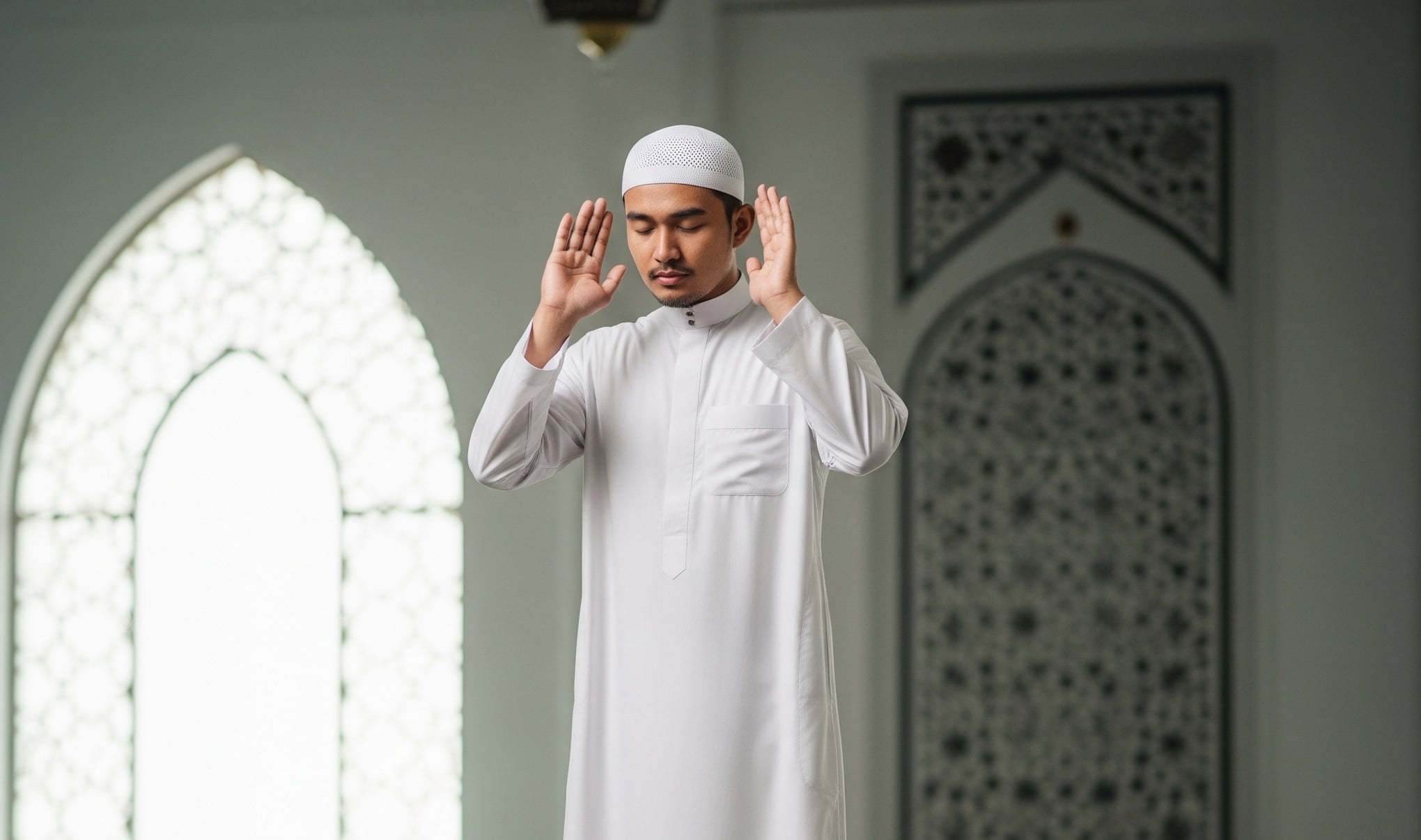
Terlupa Sebut ‘Tunai’ Dalam Niat Solat Fardu, Sah Ke Solat? Mufti Jelaskan Hukum Yang Ramai Perlu Tahu
Niat solat sering membuatkan seseorang tertanya-tanya sama ada ibadah yang dilakukan sah...
1885 3 September 2026 -
Panduan, Ibadah
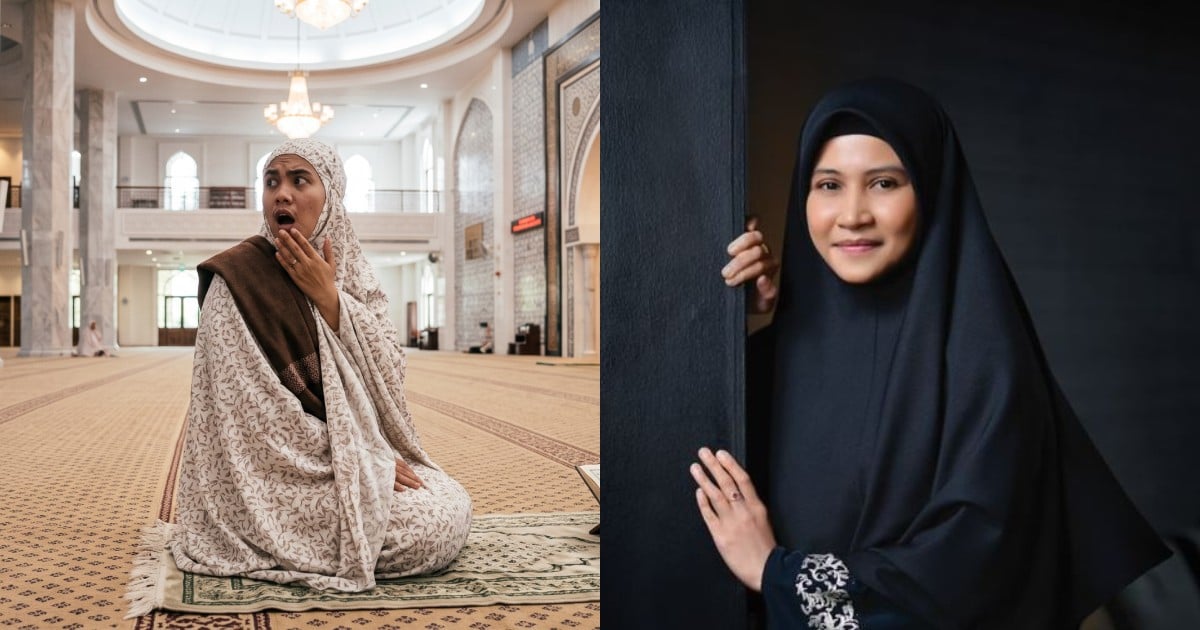
Baru Sedar Salah Arah Kiblat Selepas Solat? Ustazah Asma’ Harun Jelaskan Bila Perlu Ulang & Bila Solat Dikira Sah
Situasi salah arah kiblat yang baru disedari selepas selesai solat sering membuatkan...
1842 23 Julai 2026 -
Panduan, Ibadah
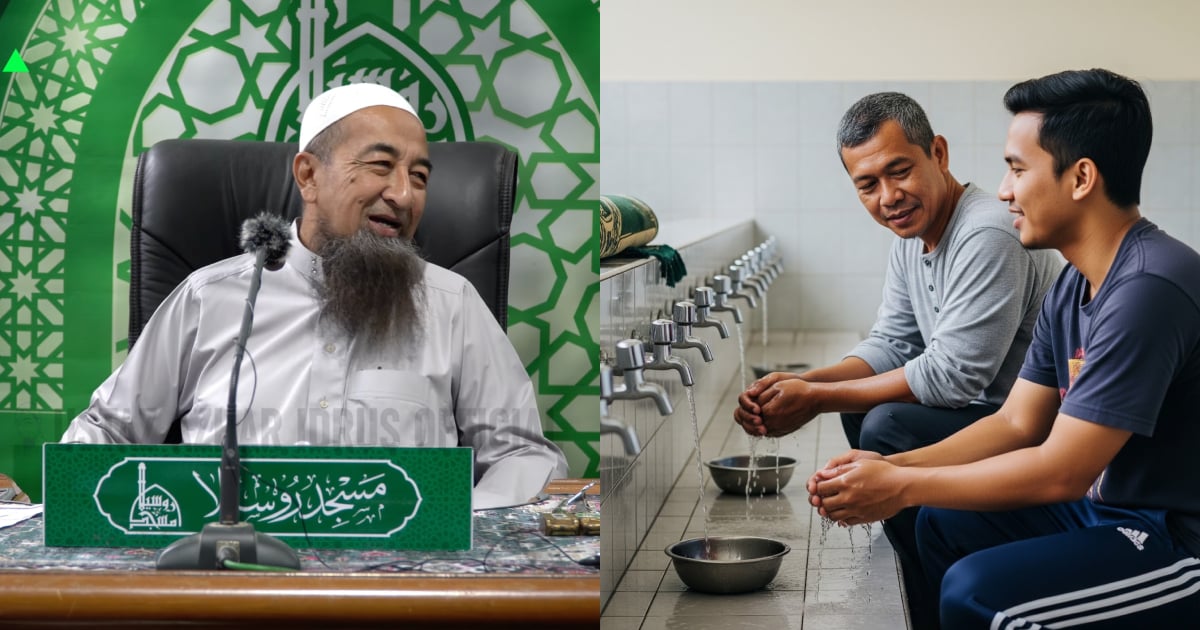
Boleh Ke Bercakap Ketika Ambil Wuduk? Ustaz Azhar Idrus Kongsi Hukum & Penjelasan Sebenar
Ambil wuduk merupakan gerbang utama yang menyucikan diri kita sebelum menghadap Allah...
4401 21 Mei 2026 -
Ibadah
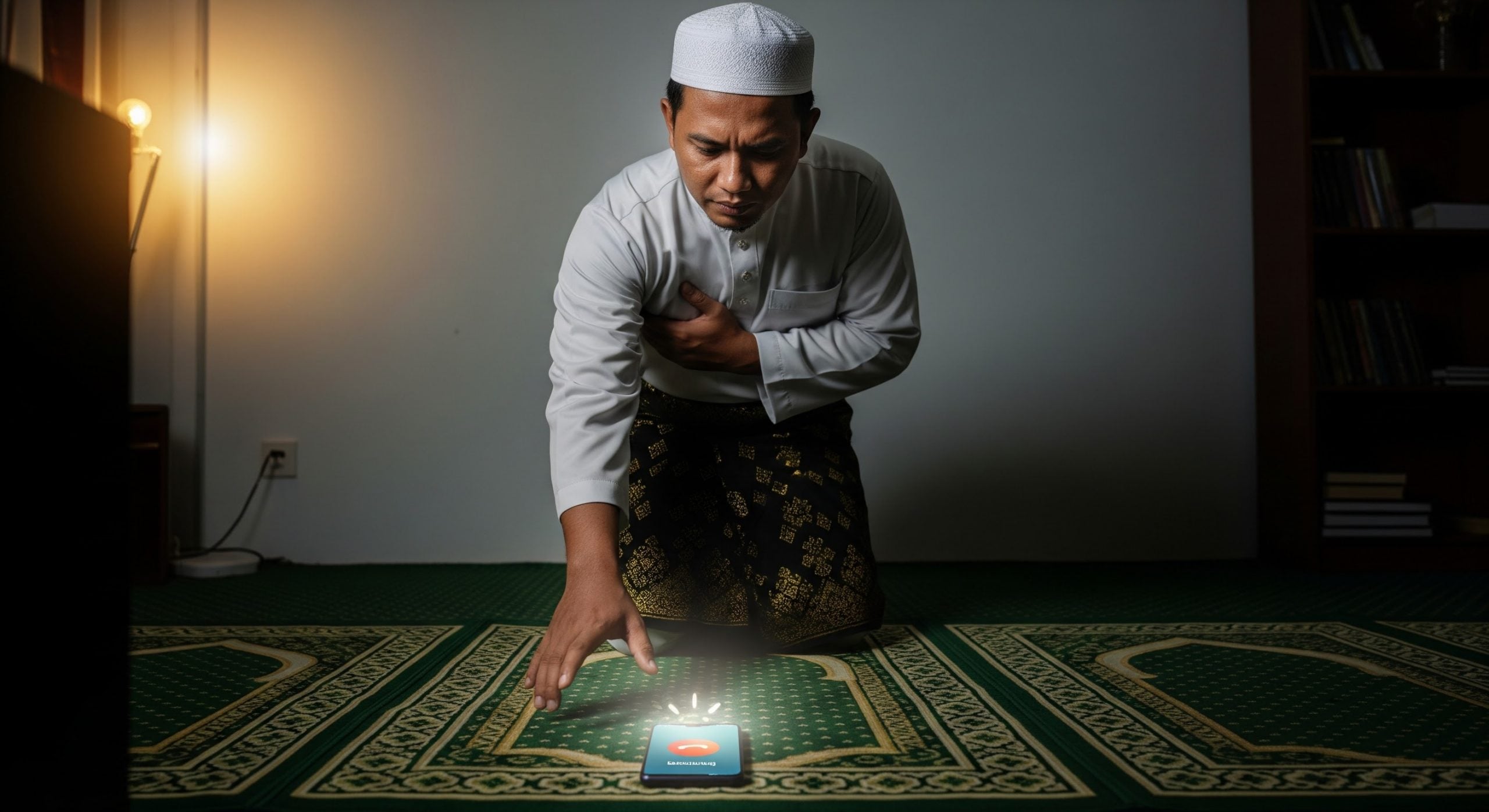
Ibadah Tak Batal Jika Tutup Telefon Berbunyi Ketika Solat – Ustaz Azhar Idrus
Bayangkan suasana sunyi di rumah Allah, saat hati sedang tunduk menghadap Tuhan,...
3662 7 Januari 2026