


Description: Discover the concept and purpose of marriage in Islam and its role in building a harmonious family.
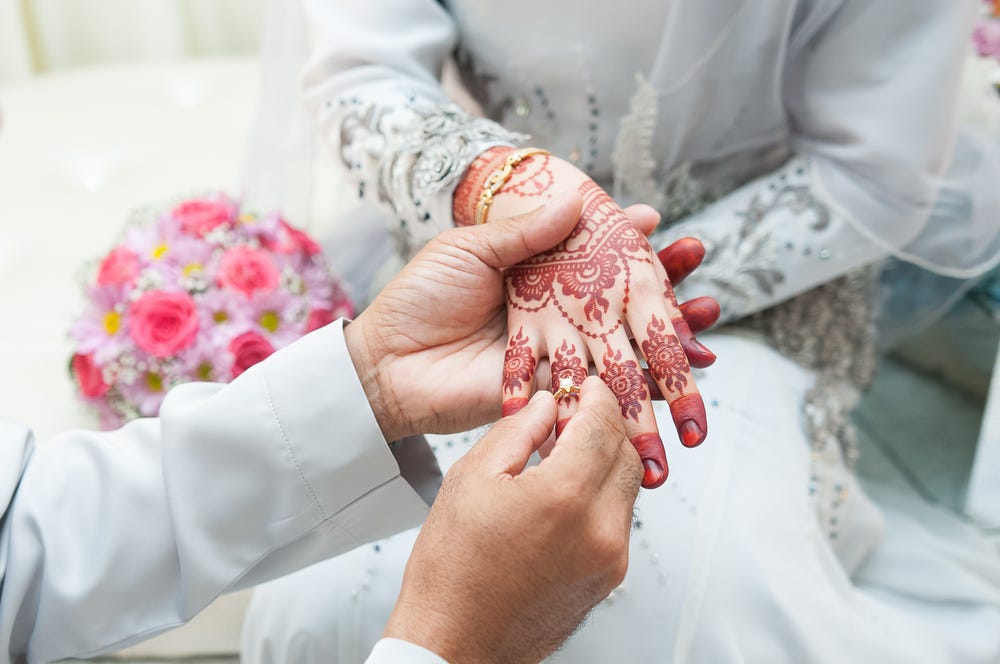
Marriage holds a pivotal position in Islam, serving not only to legitimize the union between a man and a woman but also as the foundation for building a harmonious family and society. It is regarded as an act of worship and a tradition of the prophets, highly encouraged for Muslims to undertake.
Definition of Marriage in Islam
The term “nikah” in Arabic translates to union and cohabitation. In Islamic jurisprudence, marriage is defined as a contract of offer and acceptance (ijab and qabul) that permits lawful cohabitation between a man and a woman, expressed through words indicative of marriage, in accordance with Islamic regulations.
Objectives of Marriage in Islam
Marriage in Islam serves several fundamental purposes:
- Fulfilling Basic Human Instincts: Marriage provides a lawful means to satisfy innate human needs, such as love and sexual desires, in a manner that is both permissible and honorable.
- Establishing a Righteous Family: Through marriage, couples can create a family grounded in Islamic values, raising children with religious teachings and continuing a lineage of faith.
- Preserving Chastity: Marriage aids individuals in maintaining their dignity and honor by avoiding sinful acts like fornication.
- Attaining Tranquility and Affection: Allah SWT mentions in the Quran that marriage is intended to bring about tranquility, love, and mercy between spouses.
Pillars and Conditions of Marriage
To ensure the validity of a marriage in Islamic law, certain pillars and conditions must be met:
- Groom (Husband): A man who meets the legal criteria for marriage, such as being a Muslim and not being a close relative (mahram) to the prospective wife.
- Bride (Wife): A woman who meets the legal criteria for marriage, such as being a Muslim and not being a close relative (mahram) to the prospective husband.
- Marriage Guardian (Wali): The bride’s guardian responsible for giving her away in marriage, typically her biological father or a male sibling.
- Two Witnesses: Two just Muslim men who fulfill the requirements to serve as witnesses to the marriage contract.
- Offer and Acceptance (Ijab and Qabul): Clear and comprehensible verbal expressions of the marriage contract, indicating mutual consent to marry.
In Islam, marriage is not merely a union between two individuals but an institution that brings numerous benefits and blessings. Therefore, it is essential for every Muslim to understand the concept, purpose, and significance of marriage to build a family that is pleasing to Allah SWT.
Disclaimer: This article features AI-assisted content, carefully reviewed by our editorial team.
Keywords: Marriage in Islam, Nikah in Islam, Purpose of marriage in Islam, Benefits of marriage, Importance of marriage, Family in Islam
Artikel Berkaitan
-

Keluarga Islam
Apa Suami Perlu Buat Pada Malam Pertama? Ini 5 Nasihat Penting Buat Pengantin Baru Menurut Islam
Malam pertama bagi setiap pasangan pengantin baru merupakan satu detik permulaan yang...
1742 14 Julai 2026 -

Hukum, Keluarga Islam
Nak Kahwin Dua? Ini 4 Ciri Lelaki Yang Layak Berpoligami Menurut Islam, Bukan Sekadar Ikut Nafsu
Kahwin dua atau berpoligami merupakan satu perkara yang dibenarkan oleh syarak, namun...
2202 8 Julai 2026 -
Hukum, Keluarga Islam
Isteri Minta Cerai Ketika Bergaduh & Emosi Memuncak, Apa Hukumnya? Ini Penjelasan Islam Yang Ramai Perlu Faham
Isteri minta cerai atau bertindak mendesak suami melafazkan talak ketika emosi sedang...
1013 15 Julai 2026 -
Hukum, Keluarga Islam
Boleh Ke Suami Larang Isteri Pergi Masjid Untuk Solat Berjemaah? Mufti Jelaskan Hukum & Syarat Yang Perlu Dijaga
Keinginan seorang isteri pergi masjid untuk meraih ganjaran solat berjemaah merupakan hasrat...
443 2 September 2026


